
Anxiety
Worry that doesn’t switch off, even when things are fine?
Everyone feels anxious sometimes: before an interview, a hard conversation, a big change. It becomes worth looking at when the worry stays long after the moment has passed, or starts deciding what you do and don’t do.
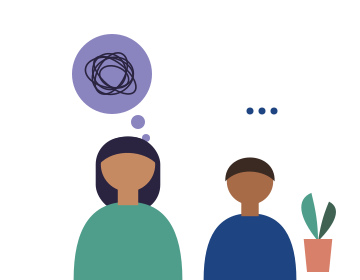
What it can feel like

In your mind
- Racing ahead to everything that could go wrong
- Finding it hard to concentrate or switch off
- Avoiding places, calls or people because of the worry
- Needing a lot of reassurance before you can relax
In your body
- A pounding heart or quick, shallow breathing
- A tight jaw, shoulders or stomach
- Sleeping badly, or waking up already on edge
- Feeling tired even on easy days
Anxiety, in plain words
Anxiety is your body’s alarm system going off a little too often, or a little too loudly. It is common, it is not a weakness, and many people find it gets easier with support: understanding what sets it off, learning ways to calm the body, and having someone to talk it through with.
Only a qualified mental health professional can diagnose an anxiety disorder. You don’t need a diagnosis to talk to someone.
It may be time to talk to someone if
- The worry has lasted for weeks
- It’s getting in the way of work, studies, sleep or relationships
- You’ve started avoiding things you used to do
- You get sudden waves of panic
Where to go from here
You don’t have to work through it alone
 Join a CircleJust UsConversations about life and everything in between. Come as you are.Join Just Us on WhatsApp →
 Come to an eventNext KTW eventFur Real: Heart-to-hearts for pet parentsSat 21 Nov · Bengaluru, Karnataka · From ₹ 450 · Open to allSee the event →
 Talk to someoneExperts who work with anxietyOne-on-one, online or in person. Your first session is 30 minutes.See experts below →
Experts who work with anxiety
See all experts →



If someone you love is anxious
- Listen without rushing to fix it or telling them to calm down
- Ask what helps, and what doesn’t
- Offer to help them find an expert, or go with them to the first session
- Look after yourself too. Supporting someone is tiring.
Questions people ask
Feeling anxious now and then is normal. Feeling anxious most of the time isn’t something you have to just live with. Talking to an expert can help you understand what’s behind it.